
Systematic Digital dOCumentation and analysis of patient-reported outcomes (SysDOC)
Patient-Reported Outcome Measures (PROMs) are direct and unbiased data that patients provide regarding their perception of their health and disease status and their treatment. They are gaining increasing attention and importance with the goal of more patient-centered treatment. PROMs are relevant because not all aspects of a disease can be objectively measured and often would not be collected in a standardized manner without patient information. Especially in children, adolescents, and young adults, non-adherence is a complex factor that is influenced by multiple factors and is difficult to assess. Some of these factors are modifiable and can be monitored using PROMs. These include, for example, perceived health status, side effects of treatment, low health literacy, or psychosocial stress. The collection and analysis of PROMs could therefore significantly improve the early detection of non-adherence problems in the care of children with medical complexities (CMC).
The focus is on the question of how PROMs can be collected digitally (ePROMs), and how these can then offer genuine clinical (scientifically evaluated!) added value for patients and their families, as well as for the interprofessional treatment team. This can be reflected in the early detection of disease changes, individualized therapy adaptation, or by strengthening participatory decision-making and education of patients and their families. A particular focus is on the practical design of the collection processes: How can ePROMs be integrated into routine documentation in a low-threshold, age-appropriate manner, and without additional burden? The goal is to develop a long-term, sustainable model that reflects both medical and psychosocial aspects of the disease.

---------------------------------------------------------------------------------------------
Subproject 1:
Systematic Digital dOCumentation and analysis of patient-reported outcomes in pediatric kidney transplantation (Fabian Eibensteiner)
Approximately 5–10 children per million of the age-matched population suffer from chronic (end-stage) kidney failure, necessitating a kidney transplant in childhood. Due to the excellent short-term outcomes of kidney transplantation in childhood, research in this area focuses on long-term preservation of transplant function, management of complications due to the underlying disease and the required (immunosuppressive) therapy (e.g., infections, cardiovascular complications, post-transplant malignancies, adherence), general neurocognitive and pubertal development, and psychosocial aspects (e.g., quality of life, transition to adult medicine, education, and professional life). Nevertheless, in the long term, loss of transplant function is common (10-year transplant survival is 60–75%). One of the most common causes of loss of transplant function is lack of adherence to medication and therapeutic measures, which leads to subclinical rejection of the organ. Especially in children, adolescents, and young adults, non-adherence is a complex factor that is influenced by multiple factors and difficult to measure. Some of these factors are modifiable and can be monitored using PROMs (e.g., perceived health status, treatment side effects, low health literacy, psychosocial or family stress). The collection and analysis of PROMs could therefore significantly improve the early detection of non-adherence problems in the care of children after kidney transplantation.
Objectives of the project
At each follow-up visit (every 4–8 weeks) in the outpatient clinic for pediatric kidney transplant recipients, a series of important medical history details, symptoms, and PROMs are collected using a tablet in the waiting area and restructured into a secure digital database. This was developed in an intensive process with the IT4Science team (led by Dr. Thomas Wrba) and the Outcomes Research team (led by Univ.-Prof. Dr. Tanja Stamm, project partner Valentin Ritschl, PhD). These data are correlated with clinical parameters of kidney transplant function and complications of kidney transplantation in order to identify patients at risk for loss of transplant function early and to intervene accordingly. In addition, patients will be phenotyped in detail using modern multi-omics technologies (e.g., plasma proteomics, metabolomics, and microbiome analyses of feces) in close collaboration with the Translational Laboratory of Pediatric Nephrology (Priv.-Doz. Dr. Rebecca Herzog) and the Core Facility Proteomics (Ap.Prof. Priv.-Doz. Dipl.-Ing. Dr. Klaus Kratochwill). The aim is to link biological patient phenotypes with symptom clusters and clinical outcome measures in order to develop hypotheses and explanations for possible causes of identified associations between symptom clusters and poorer transplant function. Furthermore, the barriers and facilitators for the introduction of such a digital medical history or ePROM collection tool into clinical routine will be identified and analyzed in a mixed-methods study (qualitative and quantitative data collection). The project is currently being expanded to include a systematic survey of fear of transplant loss (and thus progression of chronic kidney failure).
---------------------------------------------------------------------------------------------
Subproject 2:
SysDOC – Systematic Digital dOCumentation and analysis of patient-reported outcomes in pediatric inflammatory bowel disease (Rebecca Einspieler, Fabian Eibensteiner, Judith Hochrainer)
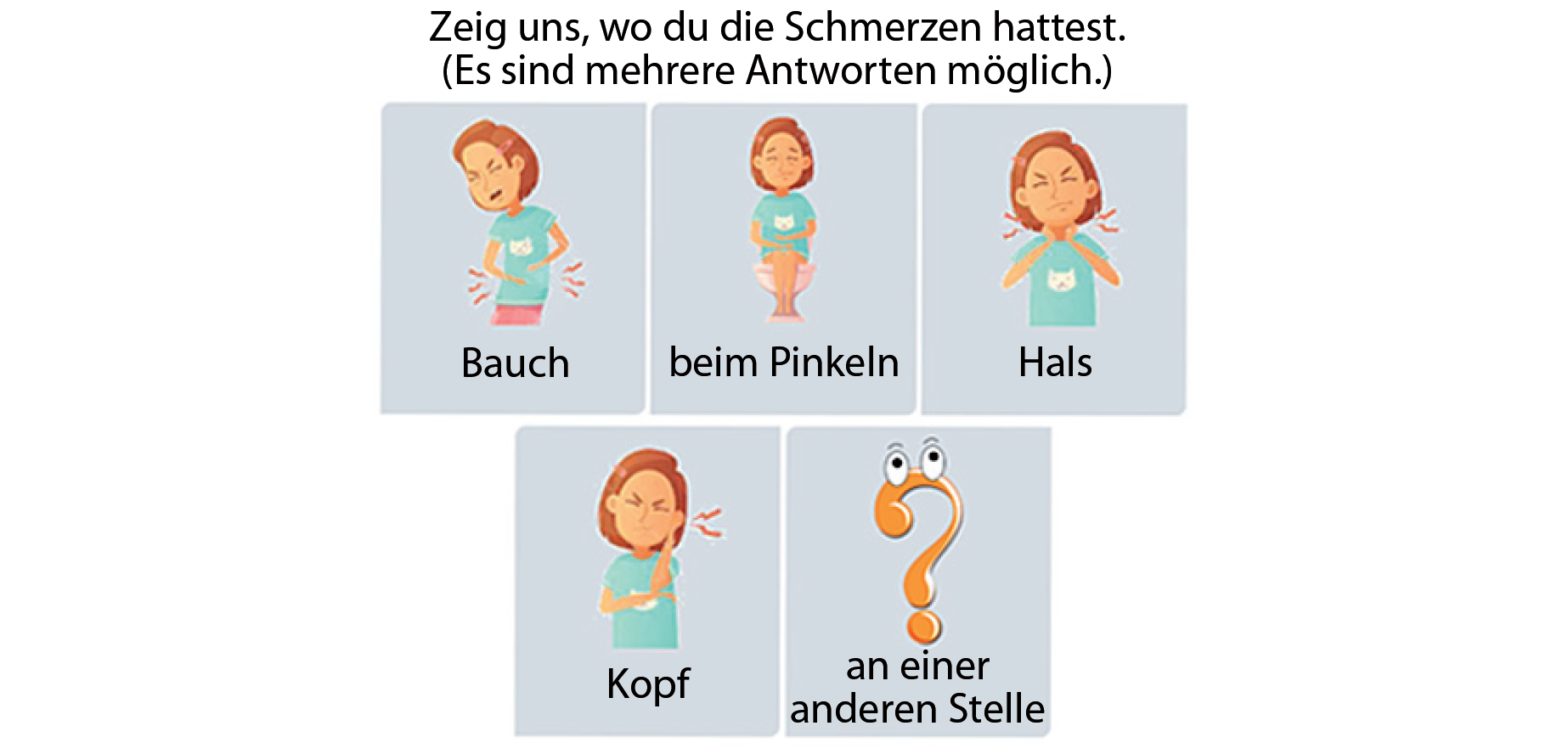
This subproject focuses on the use of ePROMs in children and adolescents with chronic inflammatory bowel disease, such as Crohn's disease or ulcerative colitis. ePROMs enable the continuous and structured digital assessment of symptoms (abdominal pain? dejection frequency? food intake?), quality of life, psychosocial stress, and limitations in daily life. A key component of this approach is the implementation and evaluation of these measures in the daily clinical practice of the pediatric gastroenterology outpatient clinic. These digital assessment tools open up new possibilities for a participatory, patient-educational, evidence-based, and structured longitudinal assessment of the disease and care, particularly for children and adolescents with chronic inflammatory bowel disease.

---------------------------------------------------------------------------------------------
Subproject 3:
SysDOC – Systematic Digital dOCumentation and analysis of patient-reported outcomes in juvenile idiopathic arthritis (Isabella Valent, Fabian Eibensteiner)
Juvenile idiopathic arthritis (JIA) is a rheumatic disease that encompasses several subtypes and, depending on its severity, causes individual joint inflammations and associated pain, restricted mobility, or severe systemic inflammation. This project aims to investigate possible associations with clinical disease activity by using ePROMs representing various aspects of everyday life. Since the determination of disease activity in JIA has so far been primarily clinical – the laboratory parameters used are rather nonspecific – this study also utilizes newer analytical methods (proteomics, metabolomics, cytokine signatures) to analyze associations between specific PROMs and disease activity parameters.
Data-driven studies involving the modeling of disease courses and detailed patient phenotyping are ultimately only as effective as the quality of the documented clinical data allows. In the high-pressure environment of daily clinical practice, this data is collected almost exclusively as part of routine operations. This process is typically fragmented and uncurated, carrying a high risk of documentation errors. While this issue has long been accepted as a reality for analog documentation (such as handwritten notes, progress notes, and discharge letters), the increasing adoption of electronic health records in recent decades raised hopes that data quality for medical research would improve significantly. However, reality has fallen far short of expectations. In the Living Lab, we aim to align the interests of relevant stakeholders. By directly involving patients and their families (e.g., through ePROMs) and incorporating repeated validation by medical staff within the care setting, we seek to streamline the collection of clinical data and findings. Consequently, findings and the clinical course during an inpatient stay are reviewed and assessed multiple times (e.g., in progress notes and during rounds) and are reflected upon and summarized in their overall context when the discharge letter is drafted. The Living Lab’s current projects (see also SysDOC, KPJ-FIT) will lead to improved quality of care for the children while simultaneously driving a significant increase in data quality through the validation, curation, and clinical annotation of the collected information.
Subproject 1: Evidence-based discharge letters – Improving patient safety through structured communication (Lisa Daniel-Fischer)
Discharge letters serve as a vital means of communication between healthcare providers, patients, and their parents. Although poor quality is associated with adverse patient outcomes, the drafting of discharge letters is not taught in a standardized manner and is often left to the least experienced colleagues in daily clinical practice. Our project aims to establish a hospital-wide training tool designed to teach and facilitate the drafting of discharge letters for children and adolescents with chronic and complex conditions, while simultaneously improving the quality of these letters. Following semi-structured interviews with pediatricians from both tertiary care and private practice settings, the first step was to create a checklist to assist in both drafting and evaluating discharge letters. This checklist underwent international validation by experts from the DACH region (Germany, Austria, and Switzerland), and its reliability was tested internally within the hospital. An ongoing pilot study at the University Department of Pediatrics and Adolescent Medicine and St. Josef Hospital Vienna is investigating the impact of introducing this checklist into clinical routine on the quality of discharge letters. Indeed, significant improvements in the comprehensibility of the letters were observed. The results are currently being submitted for publication.
Subproject 2: AI-supported patient documentation (Fabian Petek)
In this project, an app serving as an electronic tutorial and guide is being developed in close cooperation with the KPJ-FIT project. Selected clinical activities relevant to teaching—such as patient admissions (integrating SysDOC), daily progress notes, interpretation of test results, presentations during rounds and case handovers, and the preparation of discharge summaries—are being digitally structured to significantly improve clinical teaching, ward workflows, and patient safety. The aim is to enable students to take a more active role in daily clinical practice. Clinical conditions typical of the ward setting (presented as case vignettes) are used to provide students with a realistic simulation—leveraging artificial intelligence—for orientation prior to their first hands-on clinical placement. During their clinical rotations (tertiary phase and/or KPJ), these tools facilitate high-quality documentation and serve as a foundation for clinical reasoning; they also support the AI-assisted drafting of medical discharge summaries, thereby reducing the workload of resident physicians. The project focuses on app development and usability testing (in collaboration with the Department of Computer Science). The scientific evaluation of the tool’s impact on teaching quality extends the objectives and research questions outlined in the KPJ-FIT project.
Patient Safety Regarding High-Risk Medications (Judith Hochrainer, Christoph Aufricht)
So-called high-risk medications are an essential component of pharmacological therapy. However, while errors involving these medications do not necessarily occur more frequently, the consequences are often severe and can be associated with (life-threatening) complications. As part of our project "Animedes"—which follows up on findings published by Selzer et al. (https://adc.bmj.com/content/109/3/215.long)—we are focusing on high-risk medications (High Alert Medications, HAM) used to treat rheumatological, gastroenterological, and nephrological conditions. Our goal is to work with children and their guardians to identify ways to prevent serious adverse events associated with these particularly high-risk drugs. We aim to determine how safety and care regarding the use of these HAMs can be further improved to sustainably enhance the health literacy, well-being, and quality of life of the affected children. Initial results concerning the use of HAMs in children with gastroenterological-hepatological conditions were published in 2026 (LINK: https://pubmed.ncbi.nlm.nih.gov/42205722/), and a paper on medications particularly prone to errors has been submitted for publication. Currently, co-creation workshops are being held with stakeholders from pharmacy, medicine, nursing, and psychology, involving the affected families. Particular emphasis is placed on the participation of families with a migration background, as their children represent a significant proportion of the severely ill patients.
Sub-project 2: Evaluating essentials for Day One Competencies in Pediatric Rheumatology: A mixed-methods study (Isabella Valent, Fabian Eibensteiner, Judith Hochrainer)
Providing care for children with rare diseases at a tertiary care center can be highly challenging. Some patients present with complex conditions and are therefore managed in specialized outpatient clinics. However, initial consultations or emergency situations often require care to be provided by colleagues who lack this specialized expertise. This challenge is particularly acute in urgent or potentially life-threatening situations. Currently, there is no established training curriculum for pediatricians regarding the initial and emergency care of children with rare, chronic, and complex (rheumatological) diseases. This sub-project aims to improve, establish, and re-evaluate training in the field of pediatric rheumatology using a targeted training approach.
Interviews with pediatric rheumatologists and general pediatricians have been used to establish a knowledge base regarding the initial care of pediatric patients with rheumatic diseases. This qualitative, semi-structured approach allows for the linking of theoretical knowledge with experience and emotions through free association, thereby generating implicit knowledge. Following the transcription, condensation, and interpretation of the interviews, units of meaning are assigned to specific domains; their importance is then assessed and validated through a Delphi process. The study results are intended to serve as a resource for pediatricians, supporting them in the initial and emergency care of patients with rheumatic diseases during diagnostic workups and decision-making processes.
Successfully completed: Targeted Training for Subspecialist Care in Children With Medical Complexity (Fabian Eibensteiner, Rebecca Einspieler, Isabella Valent)
The project aimed to define highly relevant training content for pediatric residency at a tertiary care center by conducting a needs assessment using a "gap or discrepancy analysis." This type of analysis identifies the gap (or discrepancy) between the expected level of knowledge and skills and the actual demands experienced during daily clinical practice within the training unit. The needs assessment employed a mixed-methods approach, combining semi-structured qualitative interviews with residents from various pediatric subspecialties at our clinic with subsequent questionnaire-based surveys across the entire Department of Pediatrics. This work was carried out in close collaboration with the Outcomes Research team (led by Univ.-Prof. Dr. Tanja Stamm; project partner Valentin Ritschl, PhD). The mixed-methods approach was used to develop key learning content for the training of future hospital-based pediatricians caring for children with medical complexity (CMC), with a particular focus on aspects of pediatric nephrology that were validated using an orthogonal method. A total of 280 topics—listed within the American Board of Pediatrics (ABP) certified content framework for pediatric residency—were condensed into 23 key topics in pediatric nephrology (identified as important yet in need of improvement) via Importance-Performance Analysis (IPA) and subsequently validated within a larger cohort regarding their significance for the training of future hospital-based pediatricians. In particular, key aspects of patient safety extending beyond specialist training were highlighted—such as principles of antimicrobial stewardship, patient handovers across the continuum of care, practical skills (e.g., point-of-care ultrasound and blood product transfusions), and end-of-life care (palliative medicine). The study’s knowledge base lays the groundwork for future detailed analyses and the development of digital bootcamps; it could help improve patient safety by reducing preventable harm caused by medical errors, particularly among vulnerable groups such as children with medical complexity (CMC) in tertiary pediatric care. The study was published in the journal *Frontiers in Pediatrics* in 2022.
https://doi.org/10.3389/fped.2022.851033
Subproject 1: Long-term outcomes following pediatric kidney transplantation: Trigger tools and socioeconomic aspects (Lukas Kaltenegger)
This project focuses on data from patients receiving care at the Department of Pediatric Nephrology and Gastroenterology, typically both prior to and—crucially—following kidney transplantation. The data includes a detailed longitudinal breakdown of demographic and clinical information, particularly for the first year post-transplantation. Analyses center on adverse events—incidents following transplantation that necessitate unplanned outpatient or inpatient care. The migration background of patients and their families is highlighted in the literature as a significant factor influencing both access to medical care and the course of the disease. Investigating this parameter aims to help achieve optimal care for all affected individuals within our patient population by enabling the early identification of risk profiles.
Subproject 2: Morbidity and Mortality Conferences (Isabella Valent)
Despite the utmost efforts of all involved, errors can occur during patient treatment. Morbidity and Mortality (M&M) conferences involve a retrospective review of unusual treatment courses or patient complications (including "near misses"). The goal is to enhance patient safety and the quality of care for future patients by analyzing the cognitive and systemic processes or structures involved. Since errors rarely stem from a single cause, the M&M conference pursues multiple objectives: fostering systems thinking and metacognition; expanding professional knowledge, skills, and competencies; and serving as a vehicle for conveying the department's values and attitudes. Our department follows the principles of the Ottawa M&M model as well as the guidelines for morbidity and mortality conferences issued by the Patient Safety Foundation Switzerland.
Subproject 3: MOMO4Care@CCP – Early and integrative palliative care for children and adolescents with severe and life-limiting chronic illnesses (Christina Zachbauer, Christoph Aufricht, Martina Kronberger)
The Clinical Division of Pediatric Nephrology and Gastroenterology cares for children and adolescents with severe, complex, life-threatening, or life-limiting chronic diseases affecting the kidneys, liver, and gastrointestinal tract (Children with Medical Complexity, or CMC). These conditions are frequently associated with complex polysymptomatic presentations, diverse psychological burdens, and impaired quality of life for the patients, as well as significant impacts on the entire family (parents, siblings, etc.). Conventional medical care provided by pediatric sub-specialists (e.g., pediatric gastroenterologists, nephrologists) focuses primarily on treating organ-specific symptoms, while clinical check-ups center on gathering organ-focused biomedical data. Other multiple problems and burdens—which are integral to a holistic view of the patient—often receive insufficient attention within this medical care.
Experts posit that children with complex medical conditions (CMC) and their families benefit from the early integration of a holistic palliative care approach into their clinical management. Early integration of palliative care leads to a significant reduction in symptom burden and an improvement in quality of life, while fostering family-centered communication, shared decision-making, and active participation in daily life. Currently, however, our institution lacks both sufficient palliative care expertise and the necessary resources.
The MOMO4Care project aims to generate scientific evidence on how the clinical care of children and adolescents with complex, severe, life-threatening, or life-limiting chronic illnesses can be improved in the long term through early, integrative palliative care—and subsequently made available to all affected families. This is a collaborative research project involving the MOMO Children's Palliative Care Center, led by Dr. Martina Kronberger-Vollnhofer.
https://www.kinderpalliativzentrum.at/de/
The hypotheses being tested examine whether a palliative care intervention—integrated early into specialized care—has positive effects on the symptom burden and quality of life of CMC children (and their families) suffering from underlying conditions affecting the renal, hepatic, or gastrointestinal systems. The intervention comprises elements such as structured communication, standardized symptom management, and the provision of psychosocial support. Key endpoints include changes in patient symptom burden between baseline and follow-up visits (assessed using tools such as the PQ-MSAS) and the frequency of hospitalizations during the observation period.
https://link.springer.com/article/10.3758/s13428-021-01668-5