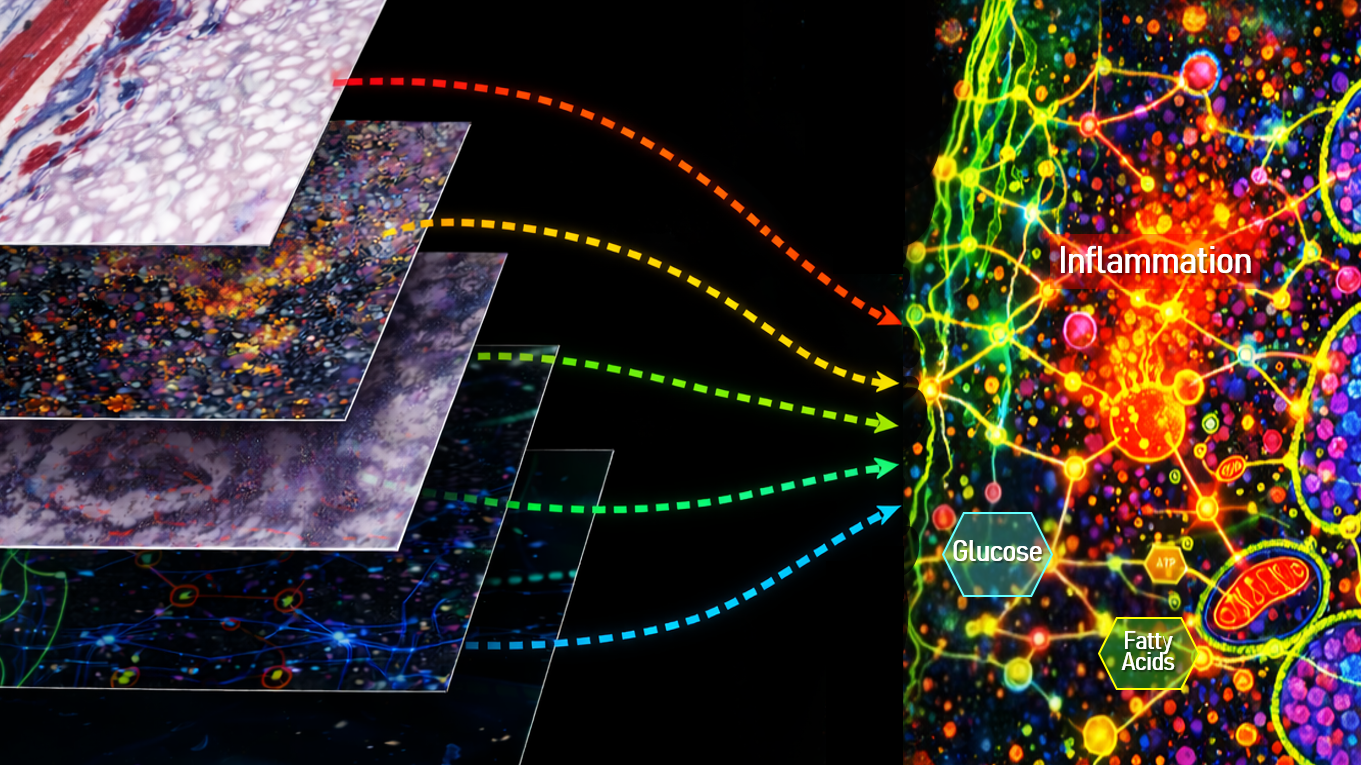
Peritoneal Dialysis and Resulting Complications
The primary function of kidneys is to filter blood and to excrete waste products and toxins through the urine. For patients with kidney failure, these substances remain in the body and must be artificially removed by dialysis. Peritoneal dialysis (PD) uses the peritoneum, the membrane surrounding the abdominal organs, as a natural filtration barrier. A special dialysis fluid is infused into the abdominal cavity via a catheter. After several hours, the dialysate – now enriched with metabolic waste products, toxins, salts, and excess water – is drained. Ideally, dialysis serves as a bridge until a kidney transplant can be performed.
However, the treatment of chronic kidney failure by dialysis is often complicated by comorbidities. Overall, this results in an approximately 40-fold higher mortality rate compared to healthy individuals. A major contributing factor is chronic inflammation, which is associated with increased susceptibility to infections and a higher risk of cardiovascular disease. Both kidney failure itself and dialysis-specific side effects are currently considered potential drivers of these inflammatory processes.
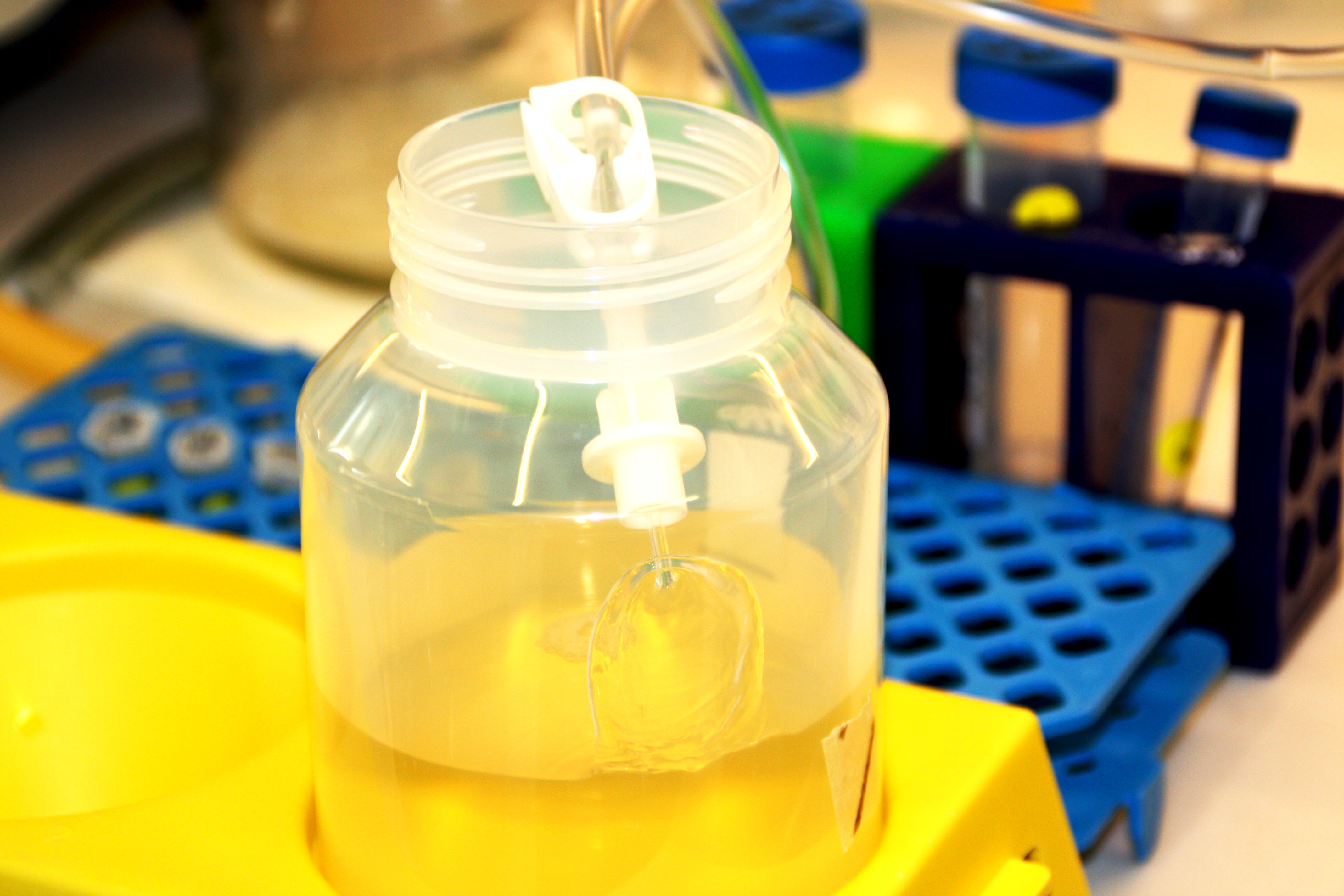
The glucose-containing dialysis solutions used in PD contribute to the development of so-called metabolic inflammation (metaflammation). This form of chronic, metabolism-associated inflammation plays a role in the pathogenesis of various metabolic diseases, such as diabetes mellitus, and has been intensively studied in those contexts. In PD, however, this area remains insufficiently investigated, and significant research gaps persist.
Our mission
In the CD-Laboratory PRIME-PD, the underlying mechanisms of these complications are systematically studied to establish a comprehensive scientific basis for novel therapeutic approaches. A particular focus is placed on the liver as a potentially key and therapeutically modifiable driver of harmful metaflammation. The underlying disease mechanisms and their modifiability are investigated in experimental models of PD.
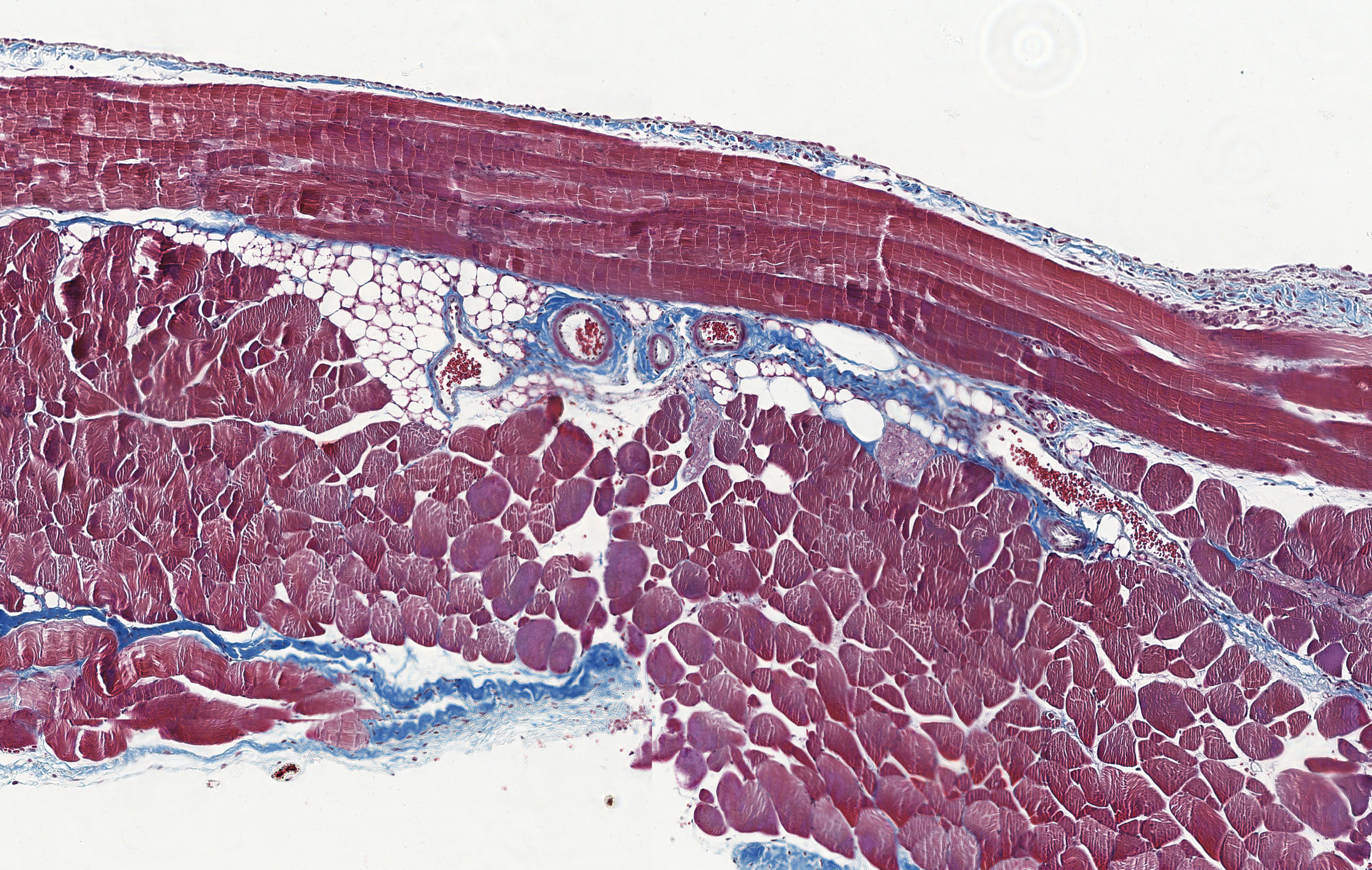
Importantly, the abdominal cavity itself does not merely undergo passive damage and fibrosis as a result of chronic PD treatment. Recent findings suggest that it also functions as an active immunological organ. Signals originating from the peritoneal cavity may trigger or amplify metaflammation.
The CD-Laboratory employs innovative and promising high-resolution methods to visualize proteins and gene products directly within tissue. This enables key disease processes to be identified and analyzed in a targeted manner, forming the basis for the development of innovative therapeutic strategies. The improved understanding of metaflammation will also support the development of novel dialysis solutions that promote immunologically beneficial metabolic processes. This concept is reflected in the laboratory’s name: “PRIME-PD – Peritoneal Regulation of the Immune-Metabolic Ecosystem in PD.”
Priv.-Doz. Dr.scient.med. Rebecca Herzog, MSc
Department of Pediatrics and Adolescent Medicine
Division of Pediatric Nephrology and Gastroenterology
Christian Doppler Laboratory for Peritoneal Regulation of the Immune-Metabolic Ecosystem in Peritoneal Dialysis (CDL-PRIME-PD)